Florist guide for Montpelier Estate Alperton weddings
Posted on 16/10/2026
If you are planning a wedding at Montpelier Estate in Alperton, flowers will do more than "look nice" on the day. They shape the first impression, soften the room, guide the eye through the ceremony, and quietly hold the whole design together. A well-planned Florist guide for Montpelier Estate Alperton weddings helps you choose blooms that suit the venue, your budget, and the pace of a real wedding morning - not just the pretty Pinterest version.
Truth be told, couples often focus on the bouquet first and think about the rest later. That can work, but it can also lead to a mismatch: a bridal bouquet that feels luxurious, while the table flowers or buttonholes look like an afterthought. This guide walks you through what to ask, what to prioritise, and how to make floral choices that feel elegant without becoming stressful. It is written for practical people with a romantic side. So, yes, there will be beauty - but also a bit of common sense.
By the end, you will know how to plan wedding flowers for Montpelier Estate in a way that feels coordinated, venue-aware, and genuinely doable. No fluff. No vague "luxury experience" language. Just the useful stuff.
- Why it matters
- How it works
- Key benefits and practical advantages
- Who this is for and when it makes sense
- Step-by-step guidance
- Expert tips for better results
- Common mistakes to avoid
- Tools, resources and recommendations
- Law, compliance, standards, or best practice
- Options, methods, or comparison table
- Case study or real-world example
- Practical checklist
- Conclusion
- Frequently asked questions
Why Florist guide for Montpelier Estate Alperton weddings Matters
Venue-specific flower planning matters because every wedding space behaves differently. Light, ceiling height, table size, entrance flow, and where guests actually stand or sit all affect how flowers will read in the room. Montpelier Estate in Alperton has its own character, so the best floral plan is one that works with the venue, not against it.
That sounds obvious, but you would be surprised how often couples choose arrangements in isolation. A bouquet that looks perfect in a studio can feel too dense in a small ceremony space, or too airy in a larger reception room. Likewise, a dramatic table arrangement can end up blocking conversation. Little things, big effect.
For Montpelier Estate weddings, the florist's job is not just to deliver flowers. It is to help create a consistent atmosphere from the aisle to the dining tables. That includes colour balance, scent levels, and practical issues such as where arrangements will be placed, how they will be moved, and whether they can survive a full-day schedule. On a busy wedding day, those details are everything.
Expert summary: The strongest wedding flower plans are the ones that suit the venue first, the couple second, and the camera third. If all three line up, you are in good shape.
How Florist guide for Montpelier Estate Alperton weddings Works
Planning flowers for a wedding at Montpelier Estate usually starts with the structure of the day. First comes the ceremony look, then the reception styling, then the smaller supporting pieces that tie everything together - bouquets, buttonholes, corsages, aisle details, table flowers, and perhaps a feature install near the cake or top table.
The process usually works like this:
- Define the look and mood. Think classic, modern, romantic, garden-style, or a more formal luxury finish.
- Match the palette to the venue. Warm whites, blush tones, deep reds, soft lilacs, or mixed seasonal tones each create a very different feel.
- Choose focal items. These are often bridal bouquets and ceremony flowers, because they are seen most closely and photographed most.
- Build supporting flowers around them. Bridesmaid bouquets, buttonholes, table arrangements, and corsages should belong to the same family, not compete with it.
- Plan logistics. Delivery timing, storage, water sources, and the handover point at the venue all matter.
- Confirm setup and breakdown. If arrangements need to move from ceremony to reception, this should be planned in advance. No guessing on the day. Please, not on the day.
When couples work with a florist who understands wedding timing, the whole thing becomes calmer. The bride is not wondering whether the bouquet is ready. The venue team is not trying to figure out where the centrepieces go. Everyone knows the plan. That calm is a luxury too.
If you are still early in planning, browsing a dedicated wedding flowers collection can help you narrow the style before requesting a quote. It is often easier to start with a visual direction than a blank page.
Key Benefits and Practical Advantages
The main benefit of a good floral plan is cohesion. Your wedding does not feel pieced together. It feels considered. Guests may not notice every stem, but they will notice the overall mood. Soft. Lively. Elegant. Fresh. Intimate. That impression lasts.
There are practical advantages too:
- Better budget control: Focusing on the right items stops spending from spreading too thin.
- Less day-of stress: Clear delivery and setup arrangements reduce last-minute scrambling.
- Stronger photos: The right flowers frame people and spaces beautifully without overpowering them.
- Venue fit: Designs can be scaled to the actual room size and layout.
- More personal style: Your flowers can reflect seasonality, cultural preference, or family meaning.
One of the nicest things about thoughtful wedding floristry is how it can quietly elevate simpler choices elsewhere. If the dress is understated, flowers can bring softness. If the venue is already ornate, cleaner arrangements can keep things from feeling crowded. It is a balancing act, really.
For couples who want a premium but manageable approach, collections such as The Perfect Match wedding collection or White Wonders wedding collection can offer a useful starting point for colour and style consistency.
Who This Is For and When It Makes Sense
This guide is for couples who want their wedding flowers to feel polished without becoming a runaway project. It is especially useful if you are:
- planning a wedding at Montpelier Estate in Alperton and want venue-aware advice
- trying to balance visual impact with a sensible budget
- not sure which flowers belong in the bouquet, ceremony, or reception
- choosing between bespoke floristry and ready-made wedding collections
- working with a tighter timeline and need practical decisions fast
It also makes sense if you are the "I know what I like, but I cannot explain it" type. Very normal, by the way. Most couples are. A florist can turn vague feelings into a cohesive design if you give them a few clear clues: favourite colours, floral dislikes, style references, and a rough idea of formality.
If you are still comparing style options, you might find it helpful to review a few individual wedding pieces such as a bridal bouquet style, buttonholes, or table arrangements. Those details usually reveal more than broad mood words ever do.
In our experience, this guide is also useful for family members helping with planning. Mum often becomes the unofficial project manager, and she deserves a clean, simple overview too.
Step-by-Step Guidance
Here is a practical way to approach wedding flowers for Montpelier Estate without tying yourself in knots.
1. Start with the venue feel
Look at the ceremony and reception spaces as if you were a guest walking in for the first time. Where will people look first? What sits naturally in the room? If the venue already has strong architectural lines, flowers should soften them. If the space feels plain, florals can do more of the visual heavy lifting.
2. Choose one clear floral direction
Do not try to combine five styles at once. "Classic romantic" and "wild garden" can coexist, but only with discipline. Pick a dominant direction, then add small accents. That's the cleanest route, and honestly, the easiest one to live with on the day.
3. Decide the priority pieces
For most weddings, these are the highest-impact items:
- bridal bouquet
- bridesmaid bouquets
- buttonholes and corsages
- ceremony focal arrangements
- table centrepieces
If budget is tight, prioritise bouquet, ceremony, and key table pieces first. Guests tend to notice those most. The rest can be simplified without losing the mood.
4. Think through the flower palette
For a refined wedding at Montpelier Estate, soft whites, ivory, blush, champagne, and muted greens are safe choices because they adapt well to most lighting conditions. If you want more personality, bring in lilac, peach, coral, or a deeper accent such as burgundy or plum. Just keep one clear anchor colour.
5. Confirm practical details with your florist
Ask about delivery windows, venue access, storage, hydration, and how arrangements will be packaged. Also ask whether any items can be repurposed after the ceremony. A floral arch section can become a top-table feature; altar pieces can sometimes move to the reception. Smart reuse is one of the simplest ways to stretch value.
6. Lock in timing and handover
Wedding mornings have a habit of running slightly behind. Not disastrously, usually - just enough. So flower arrival and setup should allow a little breathing room. A florist who has a clear schedule reduces pressure for everyone else. It is not glamorous, but it is crucial.
7. Do a final visual check
Before the wedding, review the final flower plan with photos or sample references. Check names of items, quantities, and where each arrangement will go. This avoids the classic "we thought those were for the ceremony" confusion. Nobody wants that conversation while the registrar is already on site.
Expert Tips for Better Results
Small choices can make a huge difference. Here are the things that tend to separate a merely nice flower setup from one that feels genuinely considered.
- Work with the room size. A small arrangement in a large space can vanish. A huge arrangement in a smaller room can feel heavy. Scale matters more than people think.
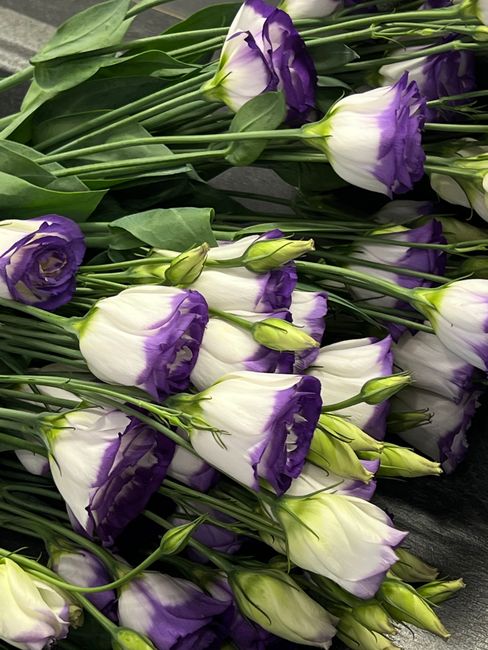
- Use texture, not just colour. Mixing roses, lisianthus, orchids, and soft filler greens can give depth even within a limited palette.
- Keep scent in mind. Strong fragrance can be beautiful, but too much can compete with food or overwhelm guests in enclosed rooms.
- Ask for movement. Slightly relaxed, garden-style shapes often photograph beautifully because they feel alive rather than rigid.
- Plan for reuse. Flowers that move from ceremony to reception give more value and a more joined-up look.
One practical little trick: if you are undecided between two styles, compare them in daylight and on a phone screen. Wedding guests will mostly see both. It sounds basic, but it works.
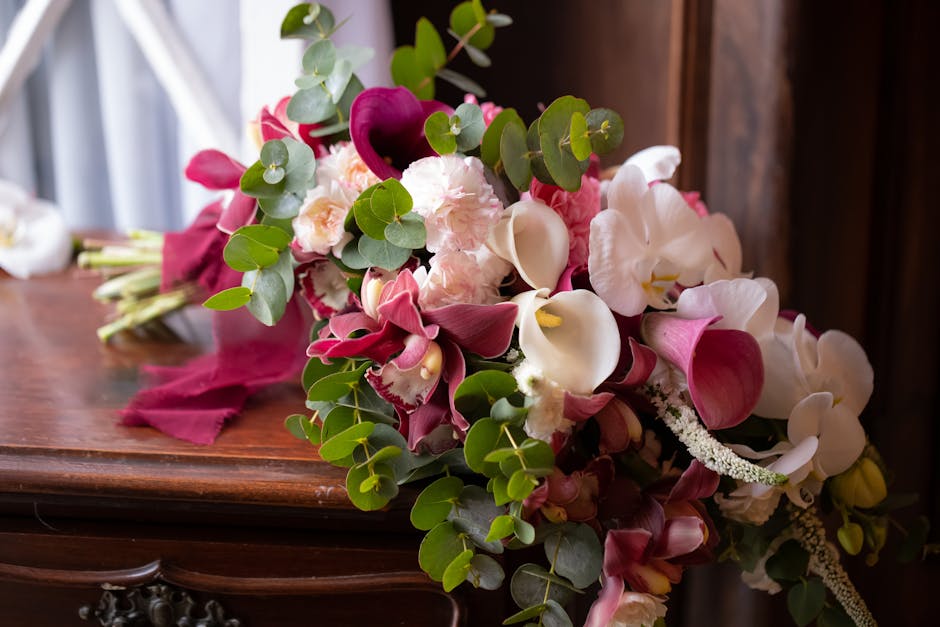
For example, a clean white look using white rose wedding arrangements feels crisp and timeless, while a blend like roses and lisianthus softens the look and adds a little more movement. Neither is "better" in the abstract; it depends on the room, the dress, and the mood you want.
If you want a fresh, romantic feel, do not underestimate the power of white and green. It is a classic for a reason. Quietly confident. Never tries too hard.
Common Mistakes to Avoid
Wedding floristry mistakes are often less about taste and more about planning. The flowers themselves may be lovely, but the plan around them gets messy.
- Choosing flowers before the venue plan. Start with the space, then select blooms.
- Underestimating quantities. A bouquet is not the same as room styling. You need enough floral presence for the size of the event.
- Mixing too many colours. Unless you want a lively, eclectic aesthetic, too many tones can feel noisy.
- Ignoring transport and setup. Flowers are living materials. They need calm handling and sensible timing.
- Forgetting the supporting pieces. Buttonholes, corsages, and table flowers help the whole wedding feel intentional.
- Leaving the order too late. Popular wedding dates fill quickly, and so does your own brain, apparently.
Another common issue is choosing stems that look beautiful in isolation but are not practical for the full day. Delicate blooms can be stunning, yes, but they may need more careful handling. A seasoned florist will talk honestly about that rather than just saying "don't worry" and hoping for the best.
When in doubt, simplify. A more focused design is usually better than a complicated one that loses clarity halfway through the day.
Tools, Resources and Recommendations
You do not need a professional design studio in your kitchen to make good decisions, but a few simple tools help a lot.
- Mood board: Collect 5 to 8 images that actually match each other, not just pretty flowers from different worlds.
- Venue photos: Use pictures of Montpelier Estate spaces to judge scale and colour.
- Guest list snapshot: This helps estimate buttonholes, corsages, and table numbers.
- Budget split: Work out what percentage goes to bouquet, ceremony, reception, and extras.
- Flower care notes: Useful for keeping bouquets fresh before the ceremony.
If you want a practical starting point from the florist's side, these can be useful references:
- Luxury flowers if you want a richer, fuller finish
- Budget-friendly flowers if you are watching costs carefully
- flower care guidance for keeping arrangements fresh before the event
- same-day delivery options if timing is tight for any supporting order
Those are not substitutes for a wedding plan, of course. But they help you think in practical terms instead of dreamy ones only. Which, let's face it, is where good decisions live.
Law, Compliance, Standards, or Best Practice
Wedding floristry is not heavily regulated in the same way as some other services, but there are still sensible standards to follow. In the UK, a reliable florist should be clear about pricing, delivery terms, cancellations, substitution policies, and how flowers will be handled if a specific stem becomes unavailable. That clarity protects everyone.
For wedding planning, best practice usually includes:
- agreeing the final order in writing where possible
- confirming what happens if a flower variety is unavailable
- checking delivery access and any venue restrictions
- making sure high-value arrangements are handled carefully during setup and transport
- using realistic lead times for bespoke wedding work
Venue rules also matter. Some locations have limits on candles, hanging installations, access hours, or floor protection. Even if flowers themselves are uncomplicated, the setup can still involve practical requirements. A good florist should be comfortable discussing those without making it sound dramatic.
For sustainability-minded couples, ask about seasonal sourcing, re-use of mechanics, and waste reduction. If your florist can explain how they reduce unnecessary waste, that is a positive sign. No need for perfection theatre. Just thoughtful practice.
It is also worth checking terms for deposits, amendments, and refunds. Those policies should be easy to find and easy to understand. If they are not, pause. That's just sensible.
For transparency around ordering and service expectations, you may also want to review the site's terms and conditions, delivery information, and returns and refund details.
Options, Methods, or Comparison Table
There is no single "right" way to handle wedding flowers at Montpelier Estate. The best method depends on budget, style, and how hands-on you want the process to be. Here is a simple comparison to help.
| Approach | Best for | Strengths | Watch-outs |
|---|---|---|---|
| Bespoke floral design | Couples who want a tailored venue look | Highly personalised, flexible, elegant | Needs more planning and usually a higher budget |
| Wedding collection | Couples who want style guidance and simpler decisions | Fast to choose, coherent, easy to budget | Less customisation than a fully bespoke design |
| Minimal essential flowers | Smaller weddings or tighter budgets | Focused spending, clean look, less complexity | Limited floral presence if the venue is large |
| Statement-heavy styling | Large celebrations or highly visual events | Strong impact, great for photos | Can become costly and needs careful coordination |
For many couples, a middle route works best: a carefully chosen collection with a few customised touches. That gives you structure without feeling generic. And honestly, that is often the sweet spot.
Case Study or Real-World Example
Here is a realistic example of how a couple might approach flowers for a Montpelier Estate wedding.
They wanted a soft, romantic look for a late afternoon ceremony, followed by a seated reception. The bride loved white flowers but wanted the design to feel warm rather than stark. The groom preferred something simple and polished. Their budget was sensible, not extravagant, and they wanted the flowers to do more than sit still - they needed some flexibility between ceremony and dinner.
The florist built the design around a bridal bouquet, matching bridesmaid bouquets, neat buttonholes, and a set of table arrangements that could carry through from the ceremony space to the reception tables. White roses and lisianthus gave softness, while touches of green stopped the look from feeling flat. A small number of larger focal pieces created impact where guests would see them most.
The result was calm, cohesive, and photogenic without being overdone. The bride kept saying, "That is exactly what I meant," which is always a lovely moment to hear. Not because everything was extravagant, but because it felt like them.
To recreate a similar feel, couples might look at styles such as white bridal bouquet options, bridesmaid bouquets, or a coordinated set like White Wonders. If they prefer a slightly richer tone, Pure Romance is another natural fit.
The key lesson? A strong wedding flower plan does not need to be overloaded. It needs to be aligned.
Practical Checklist
Use this before you finalise your florist brief. It keeps decisions tidy, which is half the battle.
- Have I chosen the overall style: classic, romantic, modern, garden, or luxury?
- Do I know which flowers are most important to the day?
- Have I matched the colour palette to Montpelier Estate's spaces?
- Do I know what needs to be delivered, and when?
- Have I included buttonholes, bridesmaid bouquets, and table flowers if needed?
- Have I asked what happens if a stem is unavailable?
- Do I know whether ceremony flowers can be reused at the reception?
- Have I checked the florist's delivery, deposit, and amendment terms?
- Have I set a realistic budget before falling in love with expensive extras?
- Have I asked for a final written summary or order confirmation?
Quick reality check: if three items on this list are still fuzzy, pause and clarify them before you commit. It saves money and a surprising amount of mental energy.
Get a free quote today and see how much you can save.
Conclusion
Planning flowers for a Montpelier Estate Alperton wedding is really about balance: beauty and practicality, romance and structure, style and budget. If you get those in the right proportions, the flowers will feel like part of the day rather than a separate project bolted on at the end.
Start with the venue, choose one clear direction, and focus on the pieces guests will actually see and feel. Then build the rest with care. That approach keeps the day elegant without making it complicated. Which, frankly, is what most couples want once the planning gets real.
If you take one thing from this guide, let it be this: good wedding flowers do not shout. They support the moment, frame the memories, and make everything around them feel more complete. Quietly beautiful. That is the goal.
Frequently Asked Questions
What flowers work best for a Montpelier Estate wedding in Alperton?
Soft roses, lisianthus, orchids, alstroemeria, and mixed seasonal blooms often work well because they suit both classic and modern wedding styles. The best choice depends on your colour palette, season, and the feel of the rooms at the venue.
How far in advance should I book wedding flowers?
As a rule, the earlier the better, especially for popular wedding dates. Booking early gives you a better chance to secure the style you want and allows time for planning, changes, and venue coordination. If your date is close, it is still worth asking, but options may be narrower.
Can I keep the flower budget reasonable without it looking cheap?
Yes. Focus on a few high-impact pieces, choose seasonal flowers where possible, and avoid spreading the budget too thin. A thoughtful, well-scaled plan can look polished even without a large spend. The trick is to be selective.
Should wedding flowers match the bridesmaids exactly?
Not necessarily. They should coordinate, not duplicate. Matching too closely can make the overall look feel flat. A slightly different size, texture, or accent colour often creates a much more elegant result.
What are the most important floral items for the day?
For most weddings, the bridal bouquet is the key personal item, while ceremony focal flowers and reception table arrangements carry the wider atmosphere. Buttonholes and bridesmaid bouquets are the main supporting pieces. If budget is tight, prioritise those first.
Can ceremony flowers be reused at the reception?
Often, yes. This depends on the arrangement style and the venue setup, but reuse is a sensible way to improve value. Ask your florist early whether any pieces can be moved safely after the ceremony.
How do I choose between bespoke flowers and a wedding collection?
If you want something highly tailored to the venue and your theme, bespoke design may suit you best. If you want faster decisions and a clearer structure, a curated wedding collection can be the easier route. Many couples end up somewhere in the middle.
What should I ask the florist before booking?
Ask about delivery timing, setup, breakdown, flower substitutions, cancellation terms, and whether arrangements can be moved between parts of the day. You should also check how final quantities are confirmed. Those answers matter more than fancy language.
Do wedding flowers need special care before the ceremony?
Yes, especially if there is any delay between delivery and use. Keep them cool, hydrated, and out of direct sun or heat. A good florist will give practical care guidance based on the flowers chosen.
Are white wedding flowers a safe choice for Montpelier Estate?
White flowers are a very safe and timeless choice, particularly if you want a classic or elegant feel. They pair well with most venue styles and photograph beautifully. Adding texture or greenery helps prevent the look from feeling too plain.
What if my venue has restrictions on setup or access?
That is common enough, especially with timed venue schedules. Tell your florist as early as possible so they can plan delivery and installation around the rules. Good florists are used to working with venue access windows and practical limitations.
Can I order wedding flowers if I also need other flower gifts?
Yes, you can often combine wedding items with other flower orders, though it is best to keep the wedding plan separate and clear. If you need extra bouquets or gifts for family members, that can usually be arranged alongside the main wedding order.
How do I know if my floral plan is too much?
If the design feels crowded, the colours compete, or every item is trying to be the star, it may be too much. A good sign is when the flowers support the venue and the people rather than distracting from them. Simple does not mean dull. Not at all.
Is same-day flower delivery useful for weddings?
It can be useful for some supporting orders or last-minute additions, but wedding flowers should ideally be planned ahead. Same-day service is more of a backup or convenience option than a full wedding-planning solution.
What is the biggest mistake couples make with wedding flowers?
The most common mistake is starting with individual flowers instead of the full venue picture. When the room, timing, budget, and guest flow are considered first, the flower choices become much easier and the final result feels more cohesive.